
News
At least 30% of diagnostic imaging studies show incidental findings
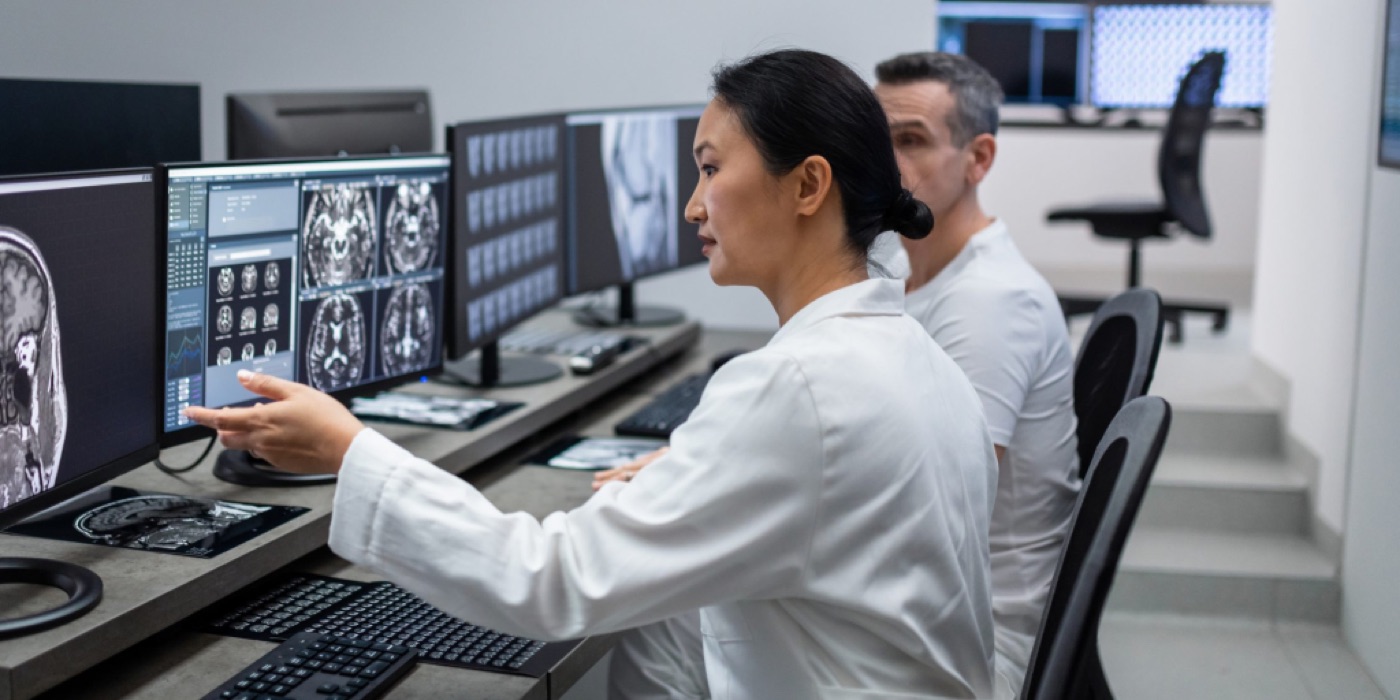
At least 30% of imaging-based studies show incidental findings unrelated to the primary reason for the consultation
Over the past 20 years, medical imaging has become one of the highest-value diagnostic tools in routine clinical practice. That has driven an increase in the volume of medical images available and, as a consequence, an emerging challenge for organizing, structuring, storing, querying and making them available. As a general pattern, every diagnostic image acquired during clinical practice has an associated description, usually written by a clinical radiology professional. That description is commonly called a diagnostic image reading, and it typically consists of a diagnostic narrative in natural language — traditionally unstructured — describing the radiological procedure performed, the findings observed, and recommendations and/or conclusions.
An emerging need: traceability of unexpected findings
Even though diagnostic readings are centered on the reason for consultation stated in the procedure order, incidental findings occasionally emerge. These findings are unrelated to the original reason for the examination, but they require timely follow-up, and they cover many types: nodules, masses, indeterminate lesions and vascular aneurysms among them. Incidental findings can be present in up to roughly 30% of diagnostic imaging studies [1]. As a general process, it is the referring physicians who are responsible for informing the patient and initiating follow-up of the finding; however, radiologists and radiology departments in general can hold shared responsibility for that follow-up when the reason for consultation is primary care or an emergency.
A recent study showed that the absence of a technology-backed follow-up protocol breaks communication between referring physicians and radiologists’ recommendations regarding incidental findings. As a result, new screening, diagnostic and follow-up processes were interrupted for patients who needed them. That prompted the launch in 2019 of an incidental disease detection program (FIND) at Trinity Health Ann Arbor Hospital in the United States [2]. During the FIND program, a software tool fed by the radiology reporting information system was implemented to centralize information about unexpected findings, the radiologists’ recommendations and the follow-up workflow — specifically, the radiologist’s recommendations in structured form (size, location and description of the incidental finding). The guidance for following up on the radiologist’s recommendations was set according to the American College of Radiology. Every report was standardized against that guidance and collected for follow-up. A natural language processing tool was also used to support standardization, structuring and the search for findings in reports predating the program.
A tracking dashboard was maintained to monitor patients with incidental findings. Referring physicians are responsible for acting on the radiologists’ recommendations. Four weeks was set as the target window for carrying out the recommendations, and physicians who exceeded the established times received a reminder.
The program described above demonstrated that follow-up of incidental findings was significantly higher after implementation, particularly within the established response times. The benefits of early attention to these findings weighed more heavily than cases followed up for benign findings, findings that do not alter clinical outcomes, or findings that are untreatable — as against cases where treating the incidental finding produces adverse health outcomes. In other words, greater follow-up of incidental findings is most beneficial in the organ systems with the highest malignancy rate, such as the breast.
[1] O’Sullivan JW, Muntinga T, Grigg S, et al. Prevalence and outcomes of incidental imaging findings: umbrella review. Br Med J. 2018;361:k2387. https://doi.org/10.1136/bmj.k2387
Zaki-Metias, K.M., MacLean, J.J., Satei, A.M. et al. The FIND Program: Improving Follow-up of Incidental Imaging Findings. J Digit Imaging (2023). https://doi.org/10.1007/s10278-023-00780-6